English Tenses for Beginners: Complete Guide to All 12 Tenses With Examples
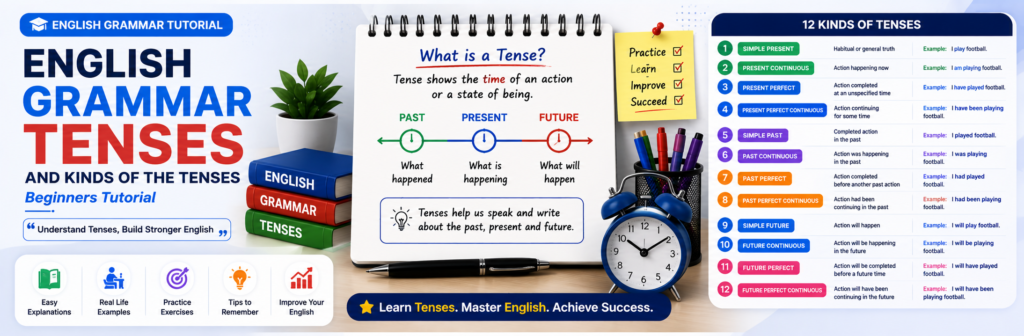
English tenses help us understand when an action, event, or state happens. They are one of the most important parts of English grammar because they allow us to talk about the past, present, and future clearly.
If you are a beginner, the twelve English tenses can look confusing at first. However, they become much easier when you understand the basic pattern behind them.
English traditionally teaches 12 main tense forms:
- 4 Present Tenses
- 4 Past Tenses
- 4 Future Tenses
What You Will Learn
- What a tense is
- The three main time periods
- The four aspects used in the traditional 12-tense system
- Present Simple
- Present Continuous
- Present Perfect
- Present Perfect Continuous
- Past Simple
- Past Continuous
- Past Perfect
- Past Perfect Continuous
- Future Simple
- Future Continuous
- Future Perfect
- Future Perfect Continuous
- Positive, negative, and interrogative sentences
- Common tense mistakes
- How to choose the correct tense
- Practice questions with answers
What Is a Tense?
A tense is a grammatical form used to locate an action, event, or state in time.
In beginner grammar, we commonly organize English tenses around three time periods:
Present
Something happening now, generally true, or connected with the present.
Past
Something that happened before now.
Future
Something expected or planned to happen after now.
But English doesn’t only tell us when something happens. It can also show how we view the action—for example, whether it is ongoing, completed, or continuing over a period of time.
This is why we have four traditional forms for each time period.
The 12 English Tenses
| Time | Simple | Continuous | Perfect | Perfect Continuous |
|---|---|---|---|---|
| Present | Present Simple | Present Continuous | Present Perfect | Present Perfect Continuous |
| Past | Past Simple | Past Continuous | Past Perfect | Past Perfect Continuous |
| Future | Future Simple | Future Continuous | Future Perfect | Future Perfect Continuous |
A useful way to remember the system is:
3 times × 4 forms = 12 traditional tenses
The Four Tense Forms
Before studying all 12 tenses, let’s understand the four forms.
Simple
The simple form commonly describes facts, habits, completed events, or general situations depending on the time reference.
I work.
I worked.
I will work.
Continuous
The continuous form focuses on an activity in progress around a particular time.
I am working.
I was working.
I will be working.
Perfect
The perfect form connects an earlier event to a later reference point.
I have worked.
I had worked.
I will have worked.
Perfect Continuous
The perfect continuous form focuses on an activity continuing over a period of time up to a reference point.
I have been working.
I had been working.
I will have been working.
Part 1: Present Tenses
The present group contains four traditional tenses:
- Present Simple
- Present Continuous
- Present Perfect
- Present Perfect Continuous
Let’s study them one by one.
1. Present Simple Tense
The Present Simple is commonly used for:
- Habits
- Routines
- General truths
- Facts
- Repeated actions
- Permanent or relatively stable situations
- Timetables and schedules in appropriate contexts
Examples
I study English every day.
She works in a school.
The sun rises in the east.
They play football on Sundays.
Present Simple Structure
Affirmative
Subject + base verb + object/complement
Examples:
I read books.
We play cricket.
They live in Karachi.
With he, she, it, and singular third-person subjects, the verb commonly takes -s or -es.
He reads books.
She plays tennis.
Ali works in an office.
Present Simple Negative
Subject + do/does + not + base verb
Examples:
I do not like coffee.
They do not play football.
She does not like coffee.
He does not work here.
Notice that after does not, we use the base verb:
Correct:
She does not like coffee.
Not:
She does not likes coffee.
Present Simple Questions
Do/Does + subject + base verb…?
Examples:
Do you speak English?
Do they live here?
Does she work at the school?
Does he play cricket?
Present Simple With “Be”
The verb be has its own forms:
am, is, are
Examples:
I am a student.
She is happy.
They are teachers.
Negative:
I am not tired.
She is not angry.
They are not ready.
Questions:
Are you a student?
Is she happy?
Are they ready?
Common Present Simple Signal Words
You may often see:
- always
- usually
- often
- sometimes
- rarely
- never
- every day
- every week
- on Mondays
These words can be useful clues, but they don’t automatically determine the tense. Always consider the meaning of the sentence.
2. Present Continuous Tense
The Present Continuous is commonly used for an action happening around the present time.
Examples
I am studying English.
She is reading a book.
They are playing football.
We are watching a movie.
Present Continuous Structure
Subject + am/is/are + verb-ing
Examples:
I am working.
He is sleeping.
She is writing.
They are playing.
Present Continuous Negative
Subject + am/is/are + not + verb-ing
Examples:
I am not sleeping.
She is not working.
They are not playing.
Present Continuous Questions
Am/Is/Are + subject + verb-ing…?
Examples:
Are you studying?
Is she working?
Are they playing?
Am I speaking too quickly?
Uses of Present Continuous
It can describe:
An action happening now
She is talking on the phone.
A temporary situation
I am staying with my uncle this week.
A changing situation
The weather is getting colder.
A planned future arrangement
We are meeting the teacher tomorrow.
3. Present Perfect Tense
The Present Perfect connects a past event or situation with the present.
It can be used for:
- Past experiences
- Recently completed actions
- Actions with present results
- Situations that began in the past and continue to the present in suitable contexts
Examples
I have finished my homework.
She has visited Lahore.
They have already eaten.
He has lost his keys.
In:
He has lost his keys.
The loss happened in the past, but it has a present consequence: he doesn’t have the keys now.
Present Perfect Structure
Subject + have/has + past participle
Examples:
I have finished the work.
We have visited the museum.
She has written a letter.
He has eaten lunch.
Present Perfect Negative
Subject + have/has + not + past participle
Examples:
I have not finished my work.
She has not arrived.
They have not eaten yet.
Present Perfect Questions
Have/Has + subject + past participle…?
Examples:
Have you finished your homework?
Has she arrived?
Have they eaten?
Common Present Perfect Expressions
- already
- just
- yet
- ever
- never
- recently
- so far
- since
- for
Examples:
I have already finished.
Have you ever visited Islamabad?
She has lived here for five years.
4. Present Perfect Continuous Tense
The Present Perfect Continuous focuses on an activity that began in the past and has continued up to the present or has recently stopped with a present result.
Examples
I have been studying for two hours.
She has been working since morning.
They have been waiting for the bus.
Structure
Subject + have/has + been + verb-ing
Examples:
I have been studying.
He has been working.
She has been reading.
They have been waiting.
Negative
Subject + have/has + not + been + verb-ing
I have not been sleeping well.
She has not been working today.
Questions
Have/Has + subject + been + verb-ing…?
Have you been studying?
Has she been working?
Since and For
Since identifies the starting point.
I have been studying since 8 a.m.
For identifies the duration.
I have been studying for two hours.
Part 2: Past Tenses
The four traditional past tenses are:
- Past Simple
- Past Continuous
- Past Perfect
- Past Perfect Continuous
5. Past Simple Tense
The Past Simple describes completed actions or situations at a finished time in the past.
Examples
I visited Karachi yesterday.
She watched a movie last night.
They played football on Sunday.
He bought a new phone.
Past Simple Structure
For regular verbs, the past form commonly ends in -ed.
work → worked
play → played
clean → cleaned
Irregular verbs have different forms:
go → went
eat → ate
write → wrote
Affirmative
Subject + past form of verb
I worked yesterday.
She went home.
They played cricket.
Past Simple Negative
Subject + did not + base verb
Examples:
I did not go there.
She did not watch the movie.
They did not play football.
Important:
After did not, use the base verb.
Correct:
She did not go.
Incorrect:
She did not went.
Past Simple Questions
Did + subject + base verb…?
Examples:
Did you go to school?
Did she call you?
Did they finish the work?
Common Past Simple Expressions
- yesterday
- last night
- last week
- last year
- ago
- in 2020
- when I was young
Example:
I visited Lahore last year.
6. Past Continuous Tense
The Past Continuous describes an action that was in progress at a particular time in the past.
Examples
I was studying at 8 p.m.
She was cooking when I arrived.
They were playing football.
Structure
Subject + was/were + verb-ing
Examples:
I was working.
He was sleeping.
She was reading.
They were playing.
Negative
Subject + was/were + not + verb-ing
I was not sleeping.
She was not working.
They were not studying.
Questions
Was/Were + subject + verb-ing…?
Were you studying?
Was she cooking?
Were they playing?
Past Continuous With Past Simple
The Past Continuous often describes an action already in progress when another event occurred.
I was sleeping when the phone rang.
Here:
was sleeping → ongoing background action
rang → shorter completed event
Another example:
She was cooking when her friend arrived.
7. Past Perfect Tense
The Past Perfect is used to show that one past event happened before another past event.
Example
The train had left before we arrived.
First:
The train left.
Later:
We arrived.
The Past Perfect makes the earlier event clear.
Structure
Subject + had + past participle
Examples:
I had finished my work.
She had left the office.
They had eaten dinner.
Negative
Subject + had not + past participle
I had not finished my work.
She had not arrived.
Questions
Had + subject + past participle…?
Had you finished the work?
Had she left?
8. Past Perfect Continuous Tense
The Past Perfect Continuous focuses on an activity that continued for a period of time before another point or event in the past.
Examples
I had been studying for two hours when my friend called.
She had been working there for five years before she moved.
Structure
Subject + had been + verb-ing
Examples:
I had been working.
She had been studying.
They had been waiting.
Negative
I had not been sleeping well.
She had not been working there for long.
Questions
Had you been studying?
Had they been waiting long?
Part 3: Future Tenses
The traditional future group contains:
- Future Simple
- Future Continuous
- Future Perfect
- Future Perfect Continuous
9. Future Simple Tense
The Future Simple commonly uses will to talk about future events, predictions, decisions, promises, offers, and other situations.
Examples
I will call you tomorrow.
She will help us.
They will arrive soon.
I think it will rain.
Structure
Subject + will + base verb
Examples:
I will work.
He will study.
They will come.
Negative
Subject + will not + base verb
I will not go.
She will not come.
They will not agree.
The contraction won’t is common:
I won’t go.
Questions
Will + subject + base verb…?
Will you help me?
Will she come?
Will they attend the meeting?
Will vs Going To
Beginners often learn two common ways to talk about the future:
Will
I think it will rain.
Be going to
Look at those clouds. It is going to rain.
“Going to” is especially common for plans and predictions based on present evidence.
Example:
I am going to study tonight.
Both forms are important, but they are not always interchangeable in meaning or context.
10. Future Continuous Tense
The Future Continuous describes an action that will be in progress at a particular time in the future.
Examples
I will be studying at 8 p.m.
She will be working tomorrow afternoon.
They will be traveling next week.
Structure
Subject + will be + verb-ing
Examples:
I will be working.
He will be sleeping.
They will be traveling.
Negative
Subject + will not be + verb-ing
I will not be working tonight.
She will not be attending the meeting.
Questions
Will + subject + be + verb-ing…?
Will you be working tomorrow?
Will they be traveling next week?
11. Future Perfect Tense
The Future Perfect describes an action that will be completed before a specified future time or event.
Examples
I will have finished the work by Friday.
She will have arrived by noon.
They will have completed the project by next month.
Structure
Subject + will have + past participle
Examples:
I will have finished.
She will have arrived.
They will have completed the project.
Negative
I will not have finished the work by Friday.
She will not have arrived by noon.
Questions
Will you have finished the work by Friday?
Will they have completed the project by then?
12. Future Perfect Continuous Tense
The Future Perfect Continuous focuses on the duration of an activity up to a particular point in the future.
Examples
By next month, I will have been working here for two years.
By 8 p.m., she will have been studying for three hours.
Structure
Subject + will have been + verb-ing
Examples:
I will have been working.
She will have been studying.
They will have been waiting.
Negative
I will not have been working here for two years by then.
Question
Will you have been working here for two years by June?
All 12 Tenses at a Glance
Let’s use the verb study to compare the traditional forms.
| Tense | Example |
|---|---|
| Present Simple | I study English. |
| Present Continuous | I am studying English. |
| Present Perfect | I have studied English. |
| Present Perfect Continuous | I have been studying English. |
| Past Simple | I studied English. |
| Past Continuous | I was studying English. |
| Past Perfect | I had studied English. |
| Past Perfect Continuous | I had been studying English. |
| Future Simple | I will study English. |
| Future Continuous | I will be studying English. |
| Future Perfect | I will have studied English. |
| Future Perfect Continuous | I will have been studying English. |
12 Tenses Formula Chart
| Tense | Basic Structure |
|---|---|
| Present Simple | Subject + base verb |
| Present Continuous | Subject + am/is/are + verb-ing |
| Present Perfect | Subject + have/has + past participle |
| Present Perfect Continuous | Subject + have/has been + verb-ing |
| Past Simple | Subject + past form |
| Past Continuous | Subject + was/were + verb-ing |
| Past Perfect | Subject + had + past participle |
| Past Perfect Continuous | Subject + had been + verb-ing |
| Future Simple | Subject + will + base verb |
| Future Continuous | Subject + will be + verb-ing |
| Future Perfect | Subject + will have + past participle |
| Future Perfect Continuous | Subject + will have been + verb-ing |
How to Choose the Correct Tense
Don’t choose a tense only because you see a particular time word.
Instead, ask yourself three questions.
Question 1: When?
Is the situation connected mainly with:
Present?
Past?
Future?
Question 2: What is the action like?
Is it:
Simple?
Ongoing?
Completed in relation to another time?
Continuing over a period?
Question 3: What does the speaker want to emphasize?
For example:
I worked there for five years.
This presents the experience as a completed past situation.
But:
I have worked there for five years.
This connects the situation with the present and may mean the person still works there.
Context is important.
Common English Tense Mistakes
Mistake 1: Forgetting the Third-Person -s
Incorrect:
He play football.
Correct:
He plays football.
Mistake 2: Using the Wrong Verb After Does
Incorrect:
She doesn’t likes tea.
Correct:
She doesn’t like tea.
After doesn’t, use the base verb.
Mistake 3: Using the Wrong Verb After Did
Incorrect:
I did not went there.
Correct:
I did not go there.
After did, use the base form.
Mistake 4: Confusing Past Simple and Present Perfect
Incorrect in a finished-time context:
I have visited Lahore yesterday.
Better:
I visited Lahore yesterday.
The Present Perfect normally does not combine with a finished past-time expression such as yesterday.
Mistake 5: Forgetting “Been”
Incorrect:
I have studying for two hours.
Correct:
I have been studying for two hours.
Mistake 6: Confusing Continuous and Simple
Compare:
I study English every day.
This describes a habit.
I am studying English now.
This describes an activity happening around the present.
Tense Timeline
A simple way to visualize the traditional tense system is:
PAST ←———— PRESENT ————→ FUTURE
Then consider the action’s relationship to the reference time:
Simple → fact/event/habit
Continuous → activity in progress
Perfect → completed/connected to a reference point
Perfect Continuous → ongoing activity over a duration
Practice Exercise
Choose the correct form of the verb in brackets.
1.
She _______ English every day.(study)
2.
They _______ football right now.(play)
3.
I _______ my homework already.(finish)
4.
He _______ for two hours.(work)
5.
We _______ Karachi last year.(visit)
6.
She _______ when I called her.(sleep)
7.
The train _______ before we arrived.(leave)
8.
They _______ for three hours before the bus arrived.(wait)
9.
I _______ you tomorrow.(call)
10.
At 9 p.m., she _______ for her examination.(study)
11.
By Friday, we _______ the project.(complete)
12.
By next year, he _______ here for ten years.(work)
Answers
- studies
- are playing
- have finished
- has been working
- visited
- was sleeping
- had left
- had been waiting
- will call
- will be studying
- will have completed
- will have been working
Frequently Asked Questions
What are the 12 English tenses?
The traditional 12-tense system consists of four present forms, four past forms, and four future forms.
Present
- Present Simple
- Present Continuous
- Present Perfect
- Present Perfect Continuous
Past
- Past Simple
- Past Continuous
- Past Perfect
- Past Perfect Continuous
Future
- Future Simple
- Future Continuous
- Future Perfect
- Future Perfect Continuous
Which tense should a beginner learn first?
Start with:
- Present Simple
- Present Continuous
- Past Simple
- Future Simple
Once these are comfortable, move to the perfect and perfect continuous forms.
What is the easiest way to learn tenses?
Don’t memorize all 12 formulas in one sitting.
Learn each tense using:
Meaning → Structure → Positive → Negative → Question → Examples → Practice
Then compare it with a similar tense.
What is the difference between Present Simple and Present Continuous?
Present Simple commonly describes habits, routines, facts, and general situations:
I work every day.
Present Continuous commonly describes an action happening around now or a temporary situation:
I am working now.
What is the difference between Past Simple and Past Continuous?
Past Simple describes a completed past event:
I watched a movie.
Past Continuous describes an action that was in progress at a particular past time:
I was watching a movie at 8 p.m.
What is the difference between Present Perfect and Past Simple?
Past Simple usually presents a completed event at a finished past time:
I visited Lahore last year.
Present Perfect connects a past event or situation to the present:
I have visited Lahore several times.
What is the difference between “since” and “for”?
Since identifies a starting point:
I have lived here since 2020.
For identifies a duration:
I have lived here for six years.
Do all verbs work naturally in every continuous tense?
No.
Some verbs, especially many stative verbs, are not normally used in continuous forms in their common meanings.
For example:
I know the answer.
is normally preferred over:
I am knowing the answer.
Usage depends on the meaning of the verb and the context.
Continue learning with related guides on TechAnees
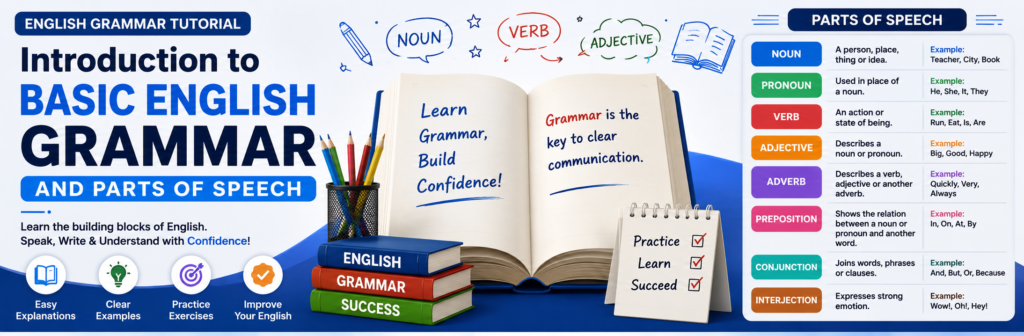
- English Grammar for beginners parts of speech basic tutorial
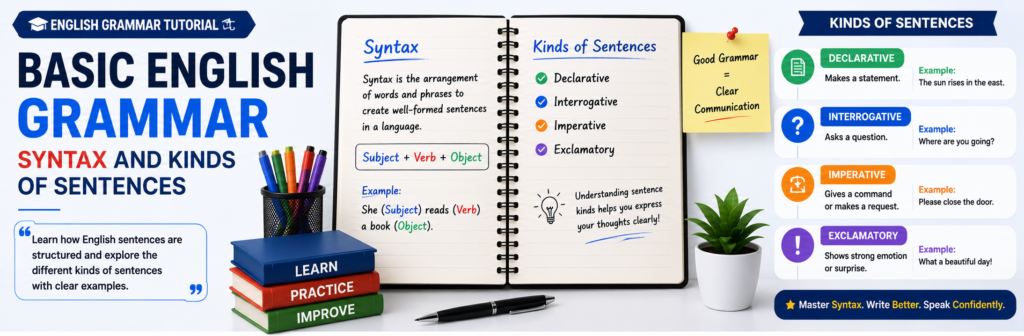
- English Grammar basic syntax and kinds of sentences

About Techanees
Techanees is a technology platform sharing simple tutorials, useful guides, web development tips, and the latest tech updates for beginners and enthusiasts.
excellent information
wish you best and best
Nice 👍